The Price of Presidential Golf: Analyzing Trump's Costly Scotland Visit
President Donald Trump's four-day golf excursion to Scotland in July 2025 has reignited a familiar debate about the intersection of presidential duties, personal business interests, and taxpayer expenses. As Trump teed off at his Turnberry resort against the backdrop of the Irish Sea, a massive security operation costing Scottish and American taxpayers millions of dollars unfolded around him, raising questions about the true purposes and beneficiaries of this high-profile visit.
The trip, ostensibly timed to coincide with the grand opening of a new 18-hole golf course at Trump's Aberdeen property, has drawn scrutiny from critics who argue that American taxpayers are footing the bill for what amounts to a promotional tour for Trump's business empire. Yet supporters contend that the visit served legitimate diplomatic purposes and showcased American leadership on the global stage.
The Staggering Cost of Security
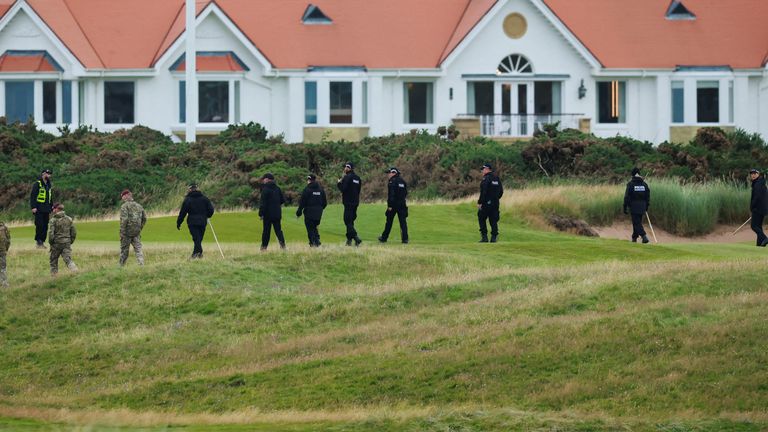
The financial burden of protecting a sitting U.S. President during an international golf trip is nothing short of extraordinary. Scottish authorities deployed nearly a third of Police Scotland's entire force to secure Trump's visit, with approximately 1,500 officers pulled from their regular duties to support the operation. This massive mobilization came at a time when Scottish police forces are already stretched thin, working 12-hour shifts due to recent staffing reductions.
David Kennedy, general secretary of the Scottish Police Federation, expressed concern about the impact on regular policing operations. "Communities that are understaffed will be left behind with even fewer officers during Trump's visit," Kennedy warned. The deployment included specialized units, local forces, and officers from across the United Kingdom operating under mutual aid arrangements.
While Police Scotland declined to provide specific cost figures, describing the expenses only as "considerable," historical precedent offers insight into the likely financial impact. Trump's four-day visit to the United Kingdom in 2018 cost British taxpayers over $19 million. This visit included two days at Turnberry. Given inflation and the heightened security concerns following recent assassination attempts, the 2025 visit likely exceeded that figure substantially.
The security operation extended far beyond traditional policing. Several police sniper teams were placed on rooftops around the Turnberry hotel and golf course. They created overlapping fields of fire to guard against possible threats. Specialized units secured the coastal perimeter, while others established checkpoints and exclusion zones around the property. The rural location of Turnberry, while offering scenic beauty, presented unique security challenges that required extensive resources to address.
American Taxpayer Burden
Scottish authorities paid for local security operations. Meanwhile, American taxpayers had to cover a large bill for the presidential visit. The Secret Service's protective team planned carefully for the new armored golf cart, "Golf Force One." They needed special equipment to transport it.
The broader context of Trump's golf-related expenses provides perspective on the Scotland visit's cost. According to tracking by DidTrumpGolfToday.com, Trump has spent an estimated $53.2 million on golf-related activities during just the first 163 days of his second term. This figure includes not only direct travel costs but also the extensive security apparatus required to protect the president during his leisure activities.
The financial burden extends beyond Scotland to Trump's domestic golf activities. The Secret Service works at Trump National Golf Club in Bedminster, New Jersey. They require a lot of taxpayer money for basic support. Federal contracts show that agents need over six hundred thousand dollars. This money is for important services. These services include golf cart transportation and sanitary facilities. The funding will last until 2026.
Most of this cost, over half a million dollars, pays for golf cart rentals. These carts help security staff stay close to the president while he plays golf. Extra costs of about three hundred thousand dollars will pay for portable restrooms. These are needed to support the large security team at the big New Jersey property. These regular costs show how the president's leisure activities lead to high expenses for American taxpayers. This is apart from any special security gear, like the armored Golf Force One vehicle.
Business Interests and Self-Serving Goals
Critics have long said that Trump's trips as president help his business too much. His visit to Scotland gave them more reasons to worry. The timing of the trip matched the opening of a new golf course at Trump's Aberdeen property. This raised questions about whether taxpayer-funded security was used to support private business interests.
Trump's golf properties in Scotland have had money problems in recent years. The Turnberry resort has especially struggled to make a profit. The important presidential visit got a lot of media coverage and international attention. This gave great marketing value that would have cost millions through regular advertising.
The optics of the visit were particularly problematic given the economic pressures facing both Scottish and American taxpayers. As communities on both sides of the Atlantic face budget cuts and fewer public services, many found it shocking. A multi-million-dollar security operation for a president's golf vacation seemed out of touch.
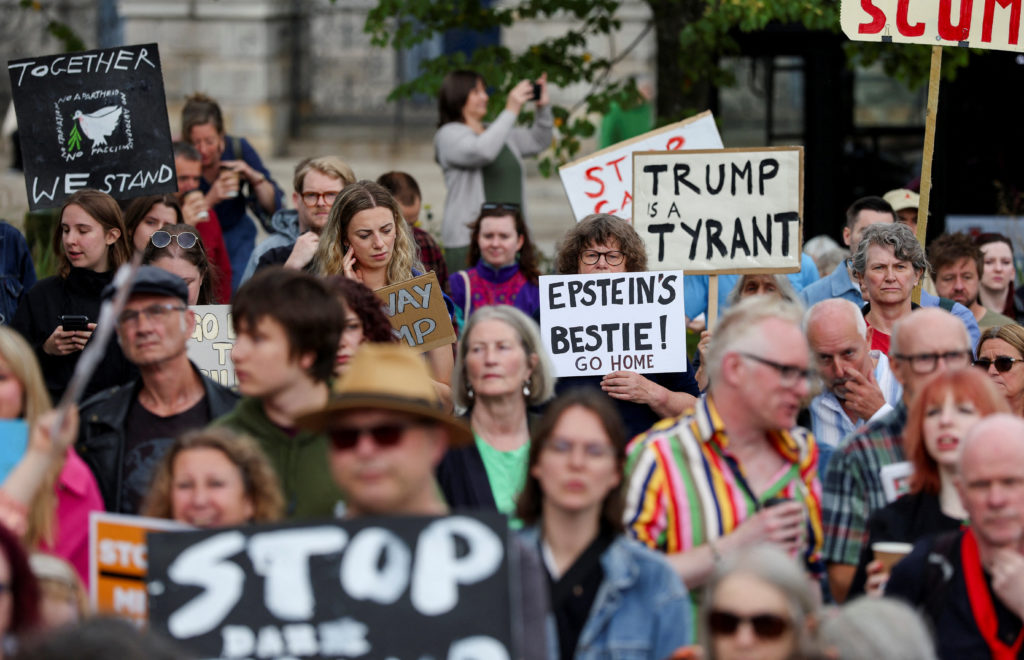
Local residents expressed frustration with both the costs and disruptions associated with the visit. "Why isn't he paying for it himself? "He's coming for golf, right?" asked Merle Fertuson. She was a protester in Edinburgh. She held a sign with Trump's picture on it. "It's got nothing whatsoever to do with public money, either U.S. or U.K."
Diplomatic Purposes and American Interests
Despite the criticism, the Scotland visit did serve some legitimate diplomatic and political purposes that arguably benefited American interests. Trump's meeting with UK Prime Minister Keir Starmer provided an opportunity to discuss bilateral trade relationships, security cooperation, and shared challenges facing both nations.
The visit also allowed Trump to engage with Scottish First Minister John Swinney, despite Swinney's previous criticism of Trump's policies. These high-level meetings, while brief, provided forums for addressing issues ranging from economic cooperation to defense partnerships that extend beyond the immediate costs of the trip.
From a broader strategic perspective, presidential visits to allied nations serve important symbolic functions in maintaining international relationships. Trump's presence in Scotland, despite the protests and criticism, demonstrated American engagement with European allies at a time when global partnerships face increasing strain.
The visit also provided Trump with opportunities to address American expatriate communities and business leaders operating in the UK, potentially strengthening economic ties between the two nations. While these benefits are difficult to quantify, they represent legitimate presidential functions that extend beyond personal or business interests.
The Protest Response
The substantial public opposition to Trump's visit, manifested in protests across Scotland, highlighted the complex relationship between presidential travel and public sentiment. The Stop Trump Scotland group held protests in Edinburgh, Aberdeen, and Dumfries. Hundreds of people joined to show their opposition to Trump's policies and presence.
The protests, while peaceful, required additional security resources and complicated the already challenging task of protecting the president. Police had to balance the legitimate right to peaceful protest with the imperative of presidential security, creating additional operational complexities and costs.
The protest in Edinburgh was especially important. People gathered outside the U.S. Consulate General to "show Trump what we think of him in Scotland." The variety of protest signs showed many concerns about Trump's presidency. These included issues like the environment and immigration.
A Pattern of Expensive Leisure
The Scotland visit is part of a larger trend of costly leisure activities during Trump's presidency. Unlike past presidents who often vacationed at places like Camp David, Trump has chosen to visit his own properties. This has created unique security challenges and costs.
This pattern raises fundamental questions about the appropriate use of taxpayer resources for presidential protection during leisure activities. All presidents need security no matter where they are. However, the choice of venues can affect costs and create conflicts of interest.
The use of special equipment like Golf Force One is important for presidential security. However, it increases the resources needed to protect Trump while he plays golf. This armored golf cart shows how presidential leisure has become a complex and costly activity. The extensive security measures and personnel also highlight this change.
Balancing Security, Diplomacy, and Accountability
The Scotland visit ultimately highlights the challenging balance between legitimate presidential security needs, diplomatic opportunities, and fiscal responsibility. Protecting the president is essential. However, we should examine the methods and costs of that protection. This is especially important when personal and business interests mix with official duties.
The massive security operation, while successful in ensuring Trump's safety, came at a significant cost to taxpayers on both sides of the Atlantic. The deployment of 1,500 Scottish police officers and many American security resources shows a big public investment. This was mainly a leisure trip with few official events.
As Trump's presidency continues, the Scotland visit serves as a case study in the complex costs and considerations surrounding presidential travel. The mix of security needs, business goals, and diplomatic chances creates a web of competing priorities. This challenges the usual ideas of proper presidential behavior and financial responsibility.
The true measure of the visit's value may ultimately depend on whether the diplomatic engagements and international relationships fostered during the trip justify the substantial public investment required to make it possible. The Scotland visit is another costly part of the ongoing debate. It raises questions about presidential priorities and the cost of protecting America's leader.


Comments
Post a Comment